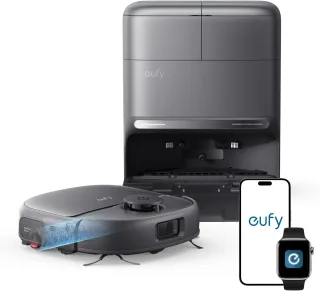
 C28
$499.98$799.99
- 15,000 PaSuction power: 15,000 Pa
- LiDARNavigation: LiDAR
- 11.06 cmRobot height: 11.06 cm
- Roller mopMopping system: Roller mop
A robot vacuum is the one smart home gadget that pays you back in time, and the one with the most inflated numbers on the box. We put the specs that change day-to-day use next to each other — suction, what the mop actually does, how tall the robot is, what the dock takes care of — with a source for every value.
| # | Device | Spec score | Price |
|---|---|---|---|
| 1 |
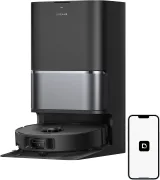 DreameL40 Ultra Gen 2 |
69 |
$569.98 |
| 2 |
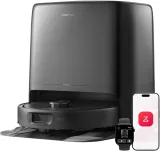 RoborockQrevo 2 Pro |
63 |
$649.99 |
| 3 |
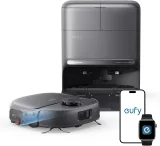 eufyC28 |
56 |
$499.98 |
| 4 |
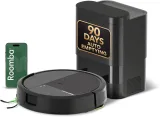 iRobotRoomba 115X Combo |
42 | $469.99 |
| 5 |
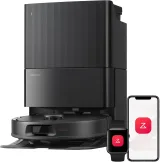 RoborockQrevo S Pro |
42 |
$399.99 |
| # | Device | Suction power | Spec score | Price |
|---|---|---|---|---|
| 1 |
DreameL40 Ultra Gen 2
|
25,000 Pa | 69 |
$569.98 |
| 2 |
RoborockQrevo 2 Pro
|
20,000 Pa | 63 |
$649.99 |
| 3 |
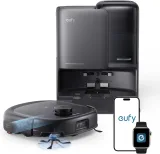 eufyE25 |
20,000 Pa | 35 |
$599.98 |
| 4 |
RoborockQrevo S Pro
|
18,500 Pa | 42 |
$399.99 |
| 5 |
eufyC28
|
15,000 Pa | 56 |
$499.98 |
| # | Device | Mop lift height | Spec score | Price |
|---|---|---|---|---|
| 1 |
RoborockQrevo 2 Pro
|
15 mm | 63 |
$649.99 |
| 2 |
DreameL40 Ultra Gen 2
|
10.5 mm | 69 |
$569.98 |
| 3 |
RoborockQrevo S Pro
|
10 mm | 42 |
$399.99 |
| # | Device | Multi-floor maps | Spec score | Price |
|---|---|---|---|---|
| 1 |
DreameL40 Ultra Gen 2
|
4 maps | 69 |
$569.98 |
| 2 |
iRobotRoomba 115X Combo
|
3 maps | 42 | $469.99 |
| # | Device | Robot height | Spec score | Price |
|---|---|---|---|---|
| 1 |
iRobotRoomba 115X Combo
|
7.89 cm | 42 | $469.99 |
| 2 |
RoborockQrevo 2 Pro
|
9.65 cm | 63 |
$649.99 |
| 3 |
RoborockQrevo S Pro
|
9.65 cm | 42 |
$399.99 |
| 4 |
DreameL40 Ultra Gen 2
|
9.7 cm | 69 |
$569.98 |
| 5 |
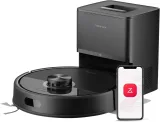 RoborockQ7 M5+ |
9.9 cm | 19 | $359.99 |
| # | Device | Mop drying | Spec score | Price |
|---|---|---|---|---|
| 1 |
eufyC28
|
50 °C | 56 |
$499.98 |
| 2 |
RoborockQrevo 2 Pro
|
45 °C | 63 |
$649.99 |
| 3 |
RoborockQrevo S Pro
|
45 °C | 42 |
$399.99 |
| # | Device | Dust bag capacity | Spec score | Price |
|---|---|---|---|---|
| 1 |
DreameL40 Ultra Gen 2
|
3.2 L | 69 |
$569.98 |
| 2 |
eufyC28
|
3 L | 56 |
$499.98 |
| 3 |
eufyE25
|
3 L | 35 |
$599.98 |
| 4 |
RoborockQ7 M5+
|
2.7 L | 19 | $359.99 |
| 5 |
iRobotRoomba 115X Combo
|
2.5 L | 42 | $469.99 |
| # | Device | Runtime | Spec score | Price |
|---|---|---|---|---|
| 1 |
eufyC28
|
251 min | 56 |
$499.98 |
| 2 |
DreameL40 Ultra Gen 2
|
231 min | 69 |
$569.98 |
| 3 |
eufyE25
|
216 min | 35 |
$599.98 |
| # | Device | Spec score | Price |
|---|---|---|---|
| 1 |
RoborockQrevo 2 Pro
|
63 |
$649.99 |
| 2 |
eufyE25
|
35 |
$599.98 |
| # | Device | Spec score | Price |
|---|---|---|---|
| 1 |
DreameL40 Ultra Gen 2
|
69 |
$569.98 |
| 2 |
RoborockQrevo 2 Pro
|
63 |
$649.99 |
| 3 |
eufyC28
|
56 |
$499.98 |
| 4 |
RoborockQrevo S Pro
|
42 |
$399.99 |
| 5 |
eufyE25
|
35 |
$599.98 |
| # | Device | Spec score | Price |
|---|---|---|---|
| 1 |
DreameL40 Ultra Gen 2
|
69 |
$569.98 |
| 2 |
RoborockQrevo 2 Pro
|
63 |
$649.99 |
| 3 |
eufyC28
|
56 |
$499.98 |
| 4 |
iRobotRoomba 115X Combo
|
42 | $469.99 |
| 5 |
RoborockQrevo S Pro
|
42 |
$399.99 |
| # | Device | Spec score | Price |
|---|---|---|---|
| 1 |
DreameL40 Ultra Gen 2
|
69 |
$569.98 |
| 2 |
RoborockQrevo 2 Pro
|
63 |
$649.99 |
| 3 |
eufyC28
|
56 |
$499.98 |
| 4 |
iRobotRoomba 115X Combo
|
42 | $469.99 |
| 5 |
RoborockQrevo S Pro
|
42 |
$399.99 |
| # | Device | Spec score | Price |
|---|---|---|---|
| 1 |
eufyC28
|
56 |
$499.98 |
| 2 |
iRobotRoomba 115X Combo
|
42 | $469.99 |
| 3 |
RoborockQrevo S Pro
|
42 |
$399.99 |
| 4 |
RoborockQ7 M5+
|
19 | $359.99 |
| # | Device | Spec score | Price |
|---|---|---|---|
| 1 |
RoborockQrevo S Pro
|
42 |
$399.99 |
| 2 |
DreameL40 Ultra Gen 2
|
69 |
$569.98 |
| 3 |
RoborockQrevo 2 Pro
|
63 |
$649.99 |
| 4 |
eufyE25
|
35 |
$599.98 |
| 5 |
RoborockQ7 M5+
|
19 | $359.99 |
| # | Device | Spec score | Price |
|---|---|---|---|
| 1 |
RoborockQrevo 2 Pro
|
63 |
$649.99 |
| 2 |
RoborockQrevo S Pro
|
42 |
$399.99 |
| 3 |
RoborockQ7 M5+
|
19 | $359.99 |
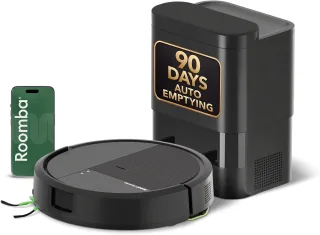
C28
$499.98$799.99
 Roomba 115X Combo
$469.99
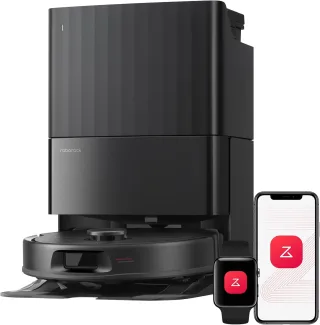
 Qrevo S Pro
$399.99$699.99
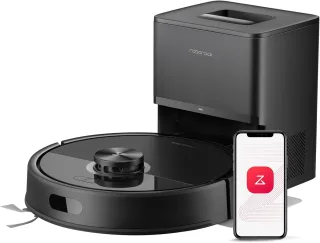
Q7 M5+$359.99
The Pa figure is measured by each manufacturer in its own way, on its own rig, so treat it as a rough tier rather than a ranking. Above roughly 8,000–10,000 Pa the extra power shows mostly on carpet, where the robot has to pull grit out of the pile; on hard floors a much cheaper machine does the same job. Brush design and a carpet-boost mode often matter more than another 5,000 Pa.
A static pad drags a damp cloth behind the robot. It picks up dust and light spills, and that’s about it. Rotating pads press and scrub, which handles dried-on marks. A roller mop is a spinning cylinder that gets rinsed as it goes, so the dirty water stays in the tank instead of being spread across the room.
If you have rugs, look at the mop lift height. A lift of around 10 mm clears a low rug; a thick one still gets damp unless the robot leaves the mop at the dock.
A self-emptying dock means you touch the bin once every month or two instead of every run; the bag size tells you how long that is. Docks that wash the mop with hot water and dry it with warm air are the difference between a mop that smells after a week and one that doesn’t. Those docks are also big — check the footprint before you buy one for a small flat.
The LiDAR turret on top is what makes the maps accurate, and it adds height. A robot under 8 cm slips under most beds and sofas; one over 11 cm will bump into the same furniture every day and leave a strip of dust behind it. The height we list is the maker’s figure including the turret.
LiDAR gives the robot a map; it doesn’t tell it a charging cable from a sock. For that, robots use a 3D structured-light sensor or a front camera. The camera versions are better at recognising pet waste and shoes, but a camera in a device that connects to the maker’s cloud is a trade-off, and the privacy rows show whether a cloud account is required and whether the robot works offline at all.
Alexa and Google Home support usually means you can start, stop and send it home by voice. Matter support, where it exists, covers the same basics through Apple Home, Google Home or Home Assistant, with room-by-room cleaning only on the newest firmware. For Home Assistant the integration type is the thing to check: a core integration is maintained with Home Assistant itself, a HACS integration is a community project that can break after an app update.